

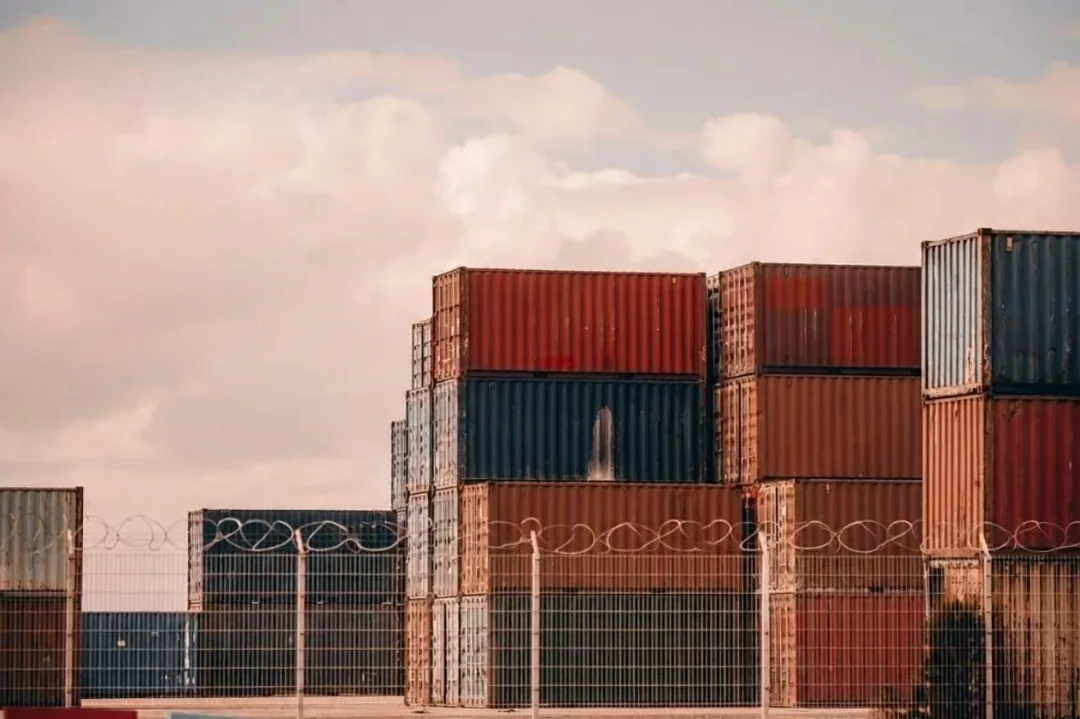
As global markets grapple with geopolitical tensions, shifting trade policies, supply chain challenges and persistent inflationary pressures, many businesses are choosing to delay major investments until economic conditions become clearer.
However, according to Bain & Company, some of the world’s leading organisations are taking a different route. Instead of waiting for uncertainty to fade, they are making strategic moves now to strengthen resilience and position themselves for long-term growth.
The consulting firm highlights four key areas where forward-thinking companies are focusing their efforts: understanding risk exposure, benchmarking against competitors, redesigning cost structures and building more resilient supply chains.
1. Companies Are Mapping Their Exposure to Better Manage Risk
In today’s interconnected economy, understanding business risk goes far beyond knowing who your suppliers are.
Modern supply chains stretch across multiple countries, involve numerous suppliers and depend on complex logistics networks. As tariffs, trade barriers and geopolitical tensions evolve, companies are taking a closer look at how exposed they are to these risks.
Businesses are increasingly assessing:
- Dependence on specific suppliers or regions
- Exposure to international tariffs and trade restrictions
- Cost impacts across product categories
- Inventory flexibility and logistics alternatives
- Whether products should be manufactured internally or outsourced
According to Bain & Company, companies that invested in supply chain flexibility during the pandemic are now better prepared to adapt to changing market conditions.
The firm believes successful organisations are balancing pricing decisions with supply chain adjustments rather than treating them as separate challenges.
2. Competitive Benchmarking Is Becoming More Important
Economic uncertainty often reshapes industries, creating opportunities for companies that move quickly and understand their competitive position.
Bain’s research suggests businesses frequently gain—or lose—the most market share during periods of disruption.
As a result, companies are paying close attention to how competitors are responding to changing market dynamics.
Key areas of analysis include:
- Competitors’ exposure to tariffs
- Dependence on vulnerable suppliers
- Ability to adjust pricing
- Financial capacity to absorb higher costs
Companies with stronger cost positions or more diversified supply chains may use the current environment to gain market share, attract customers or invest aggressively while competitors remain cautious.
In uncertain times, understanding where a company stands relative to its rivals can become a significant advantage.
3. Businesses Are Rethinking Costs for Long-Term Efficiency
Cost reduction has traditionally been seen as a defensive strategy, but Bain argues that it can also be a powerful growth tool.
As globalization evolves into a more regional economic model, businesses are facing new structural costs and operational challenges.
To stay competitive, many companies are rethinking how they operate by:
- Simplifying product portfolios
- Streamlining internal workflows
- Reducing organisational complexity
- Investing in automation
- Expanding the use of artificial intelligence
Emerging technologies such as machine learning and generative AI are increasingly helping businesses improve productivity, optimize operations and make smarter decisions.
However, Bain cautions that short-term cost-cutting measures may not be enough.
Instead, companies are being encouraged to adopt permanent cost redesign strategies supported by stronger financial discipline and zero-based budgeting approaches that continuously challenge unnecessary spending.
4. Supply Chains Are Being Redesigned for Resilience
Perhaps one of the most significant shifts taking place is the transformation of global supply chains.
For decades, supply chains were built primarily around efficiency and cost optimization. Today, businesses are placing greater emphasis on resilience and adaptability.
According to Bain & Company, future-ready supply chains are likely to focus on:
- Expanding regional production capabilities
- Diversifying supplier networks
- Increasing operational flexibility
- Strengthening control over critical processes
- Responding faster to disruptions
This shift means that businesses may no longer prioritize the lowest possible costs if it comes at the expense of resilience.
Companies are increasingly looking for supply chains that can adapt quickly to changing regulations, geopolitical developments and market demand.
While technology plays an important role in improving visibility and decision-making, Bain notes that the most important strategic choices will continue to rely on leadership and human judgment.
Agility Is Emerging as a Major Competitive Edge
One of the strongest messages from Bain’s analysis is that waiting for uncertainty to disappear may not be the best strategy.
Businesses that take action today—by understanding risks, strengthening operations and investing in adaptability—could emerge stronger than competitors that remain on the sidelines.
In an environment where economic and geopolitical conditions can change rapidly, agility is becoming just as important as scale.
Companies that embrace change early may be better positioned to:
- Protect market share
- Improve profitability
- Adapt to new trade environments
- Build stronger customer relationships
- Create long-term competitive advantages
Looking Ahead
Global market uncertainty is unlikely to disappear anytime soon. Trade policies continue to evolve, geopolitical tensions remain a concern, and supply chains are still adjusting to a more complex economic landscape.
Yet, according to Bain & Company, uncertainty also creates opportunities.
The organisations that invest in resilience, rethink traditional business models and make strategic decisions today may be the ones best prepared for tomorrow’s economy.
Rather than waiting for stability to return, leading companies are learning how to grow through uncertainty—and in many cases, turning disruption into a competitive advantage.
Frequently Asked Questions
What causes global market uncertainty?
Global market uncertainty is typically driven by factors such as geopolitical tensions, changing trade policies, inflation, supply chain disruptions and fluctuations in economic growth.
What strategies are companies using during uncertain times?
Many businesses are focusing on four areas: mapping risk exposure, benchmarking competitors, redesigning cost structures and creating more resilient supply chains.
Why are companies moving toward regional supply chains?
Regional supply chains help businesses reduce dependency on single markets, improve resilience and respond more quickly to disruptions.
How does AI help companies reduce costs?
AI can automate repetitive tasks, improve operational efficiency, support better decision-making and optimize business processes, helping companies lower long-term costs.