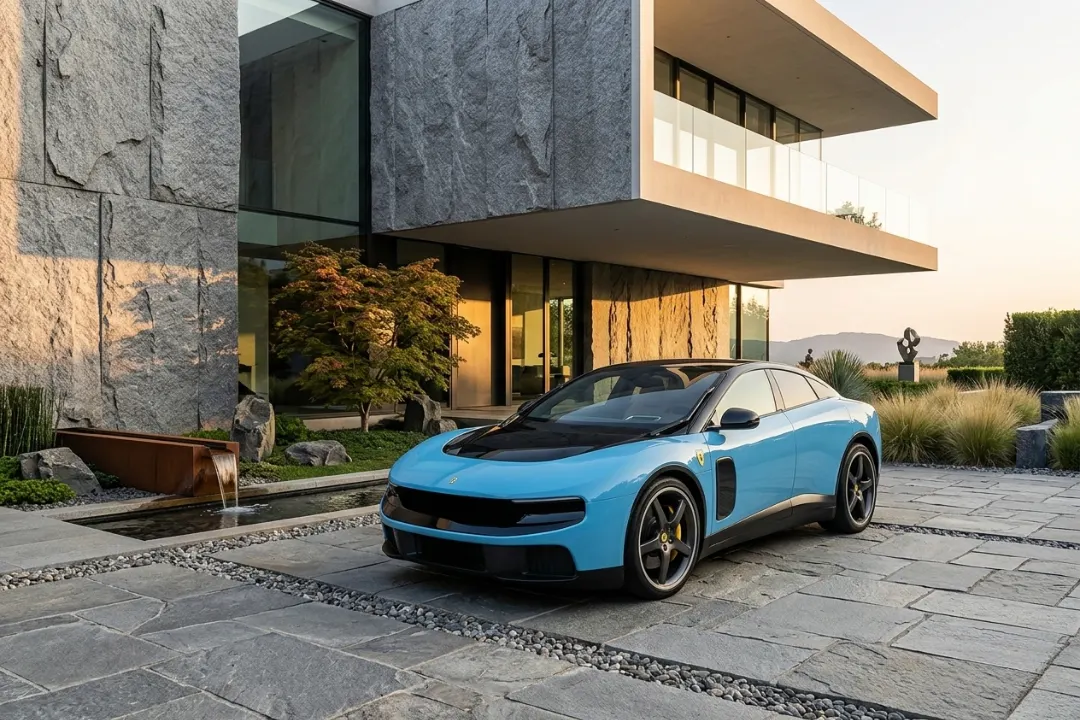

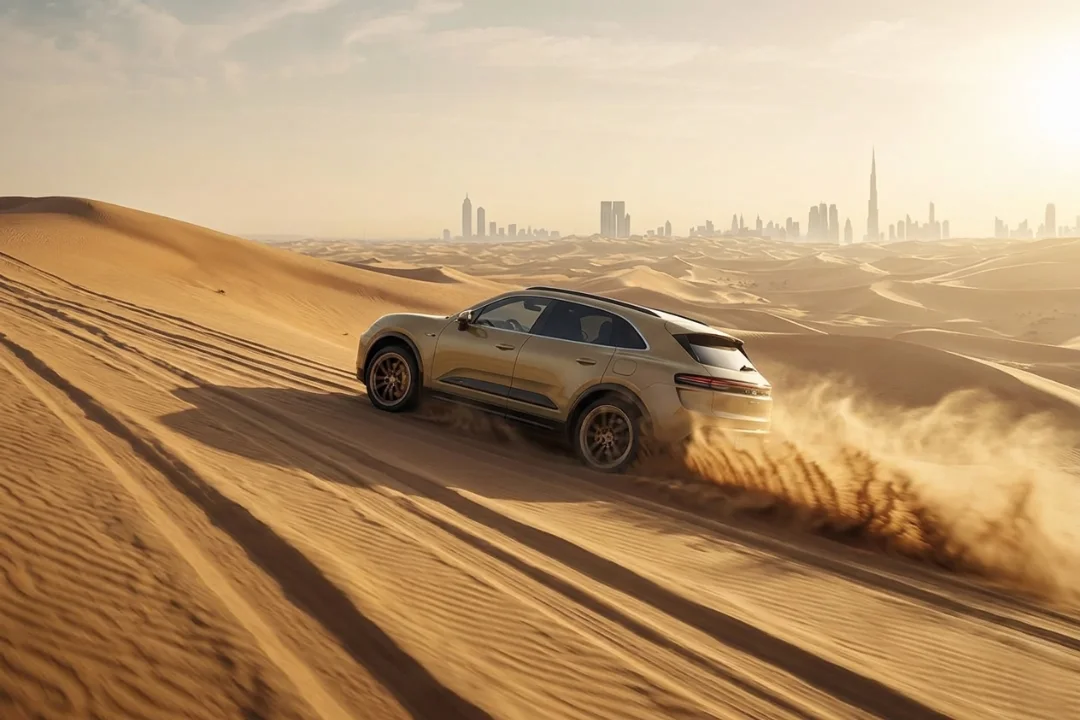
Porsche’s transition into the electric era is not driven by disruption alone — it is driven by refinement, precision, and continuity. Deep inside Slovakia’s advanced manufacturing ecosystem, the German luxury automaker is quietly building the foundation for its next generation of electric mobility.
From battery production facilities to high-performance electric SUVs, Porsche’s evolving strategy reflects a larger ambition: preserving its legendary driving DNA while adapting to the demands of a rapidly electrifying automotive future.
Porsche’s Electric Journey Begins in Slovakia
Porsche’s electric future starts far from the public spotlight, inside highly controlled production facilities near Bratislava, Slovakia.
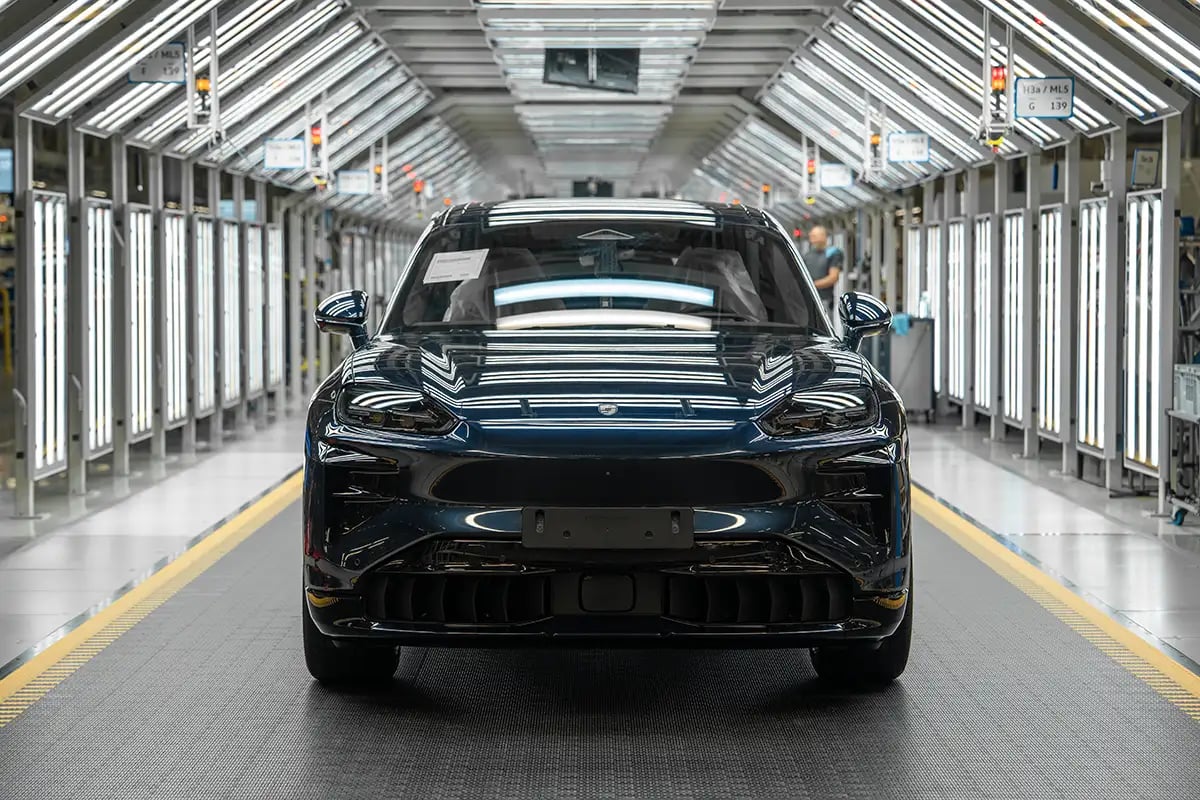
At the Volkswagen Group plant in Devínska Nová Ves, the upcoming electric Porsche Cayenne is produced alongside combustion and hybrid models within the same manufacturing ecosystem. The approach reflects Porsche’s broader philosophy that electric mobility is not a departure from its heritage, but an extension of it.
Rather than creating isolated EV production lines focused purely on futuristic branding, Porsche integrates electric vehicles directly into its traditional manufacturing systems. The result is a seamless blend of heritage engineering and modern electric technology.
The production environment emphasizes consistency, efficiency, and human oversight — core values long associated with German automotive craftsmanship.
Advanced Battery Technology at the Core
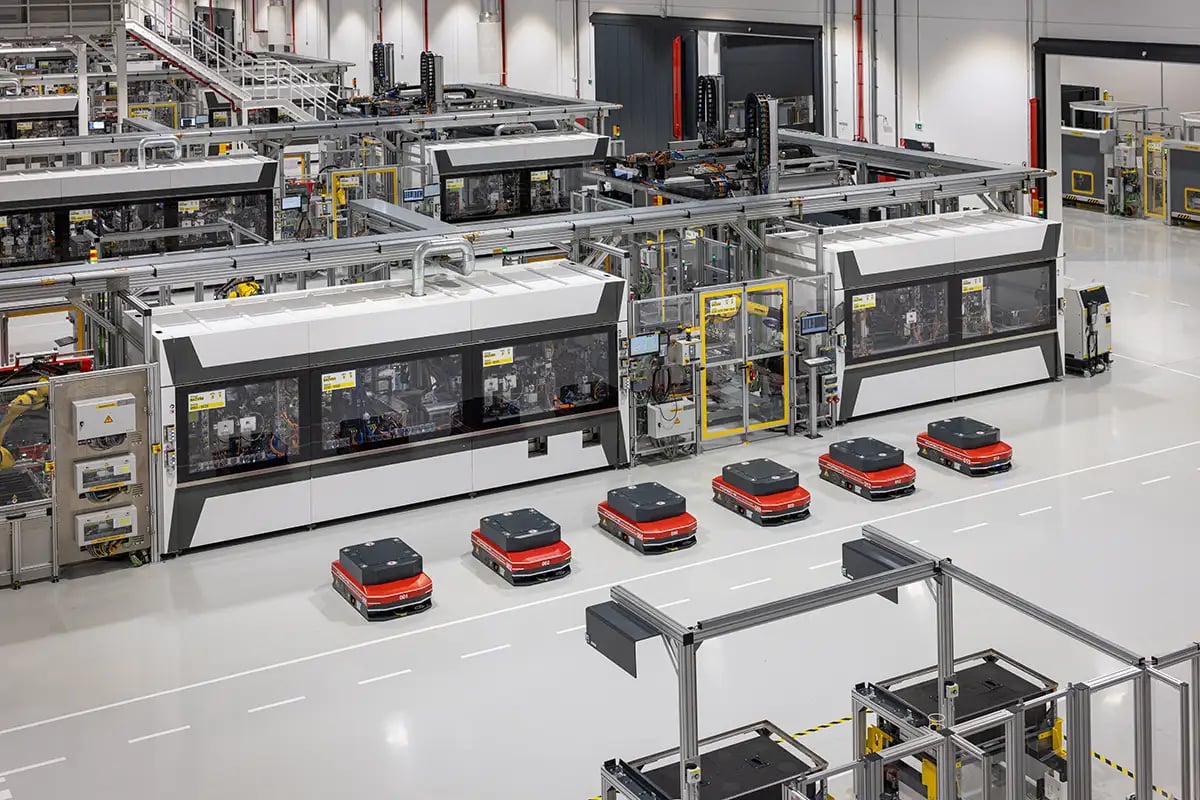
A major pillar of Porsche’s electric transformation lies in its growing in-house battery expertise.
At the Smart Battery Shop in Horná Streda, battery cells are assembled into sophisticated high-voltage modules engineered specifically for Porsche’s performance requirements. The facility represents one of the company’s most strategically important investments in the EV era.
Unlike many automakers increasingly dependent on outsourced battery solutions, Porsche is maintaining tighter control over battery development, performance optimization, and long-term durability.
This strategy supports several key advantages:
- Greater engineering precision
- Enhanced driving performance
- Improved charging capabilities
- Better long-term reliability
- Stronger control over customer ownership experience
The battery architecture powering the new electric Cayenne includes a pack exceeding 100 kWh and an advanced 800-volt electrical system designed for ultra-fast charging.
Under optimal conditions, charging from 10% to 80% can reportedly be completed in approximately 16 minutes, with charging rates approaching 390–400 kW.
The Electric Porsche Cayenne Turbo Delivers Supercar Performance
Porsche’s new electric Cayenne Turbo demonstrates how EV technology can coexist with the brand’s performance heritage.
The luxury electric SUV produces an astonishing 1,156 horsepower under Launch Control, making it the most powerful production Porsche ever created.
Performance figures place the vehicle firmly in supercar territory:
- 0–100 km/h in 2.5 seconds
- 0–200 km/h in 7.4 seconds
- Top speed of 260 km/h
- Approximately 600 km of real-world range
Despite the impressive numbers, Porsche’s engineering philosophy remains focused on composure rather than theatrics.
The electric Cayenne preserves the familiar driving confidence associated with the traditional Cayenne lineup while delivering smoother acceleration, quieter operation, and greater responsiveness.
Electrification Without Losing Identity
For Porsche, electrification is not about abandoning combustion-era identity. Instead, it represents a reinterpretation of the brand’s engineering principles through new technologies.
The company’s EV strategy prioritizes:
- Driving engagement
- Precision engineering
- Everyday usability
- Long-distance performance
- Luxury refinement
- Sustainable innovation
This careful balance helps Porsche differentiate itself in an increasingly crowded premium EV market where many competitors focus heavily on digital features but struggle to replicate emotional driving dynamics.
The UAE’s Role in Porsche’s Electric Expansion
Porsche’s global strategy also depends heavily on regional partners capable of translating German engineering standards into localized ownership experiences.
In the UAE, regional custodianship plays a crucial role in maintaining brand consistency and customer trust. For markets like Abu Dhabi and Al Ain, companies such as Ali & Sons help bridge the gap between European engineering and Middle Eastern customer expectations.
This regional ecosystem becomes increasingly important as luxury EV adoption accelerates across the GCC.
The UAE’s investment in EV infrastructure, smart mobility, sustainability initiatives, and premium automotive experiences positions the country as one of the most important emerging markets for high-performance electric vehicles.
Porsche’s Electric Future Reflects a Broader Industry Shift
Porsche’s evolving EV strategy highlights how luxury automakers are redefining the future of mobility through a combination of technology, sustainability, and emotional brand identity.
The electric Cayenne is more than a new model launch — it represents a broader transformation in how premium automotive brands approach performance, energy systems, manufacturing, and customer ownership.
As the automotive industry continues shifting toward electrification, Porsche’s approach suggests that the future of luxury EVs will not be defined solely by speed or battery size, but by how effectively brands preserve their core identity during technological change.
Final Thoughts
From advanced battery facilities in Slovakia to premium ownership experiences in the UAE, Porsche is building an electric future grounded in precision engineering and long-term brand continuity.
The electric Cayenne Turbo proves that heritage and innovation can coexist, delivering performance, luxury, and sustainability without compromise.
As Porsche expands its electric ecosystem globally, the company is not simply adapting to the EV era — it is carefully shaping what premium electric mobility should feel like.