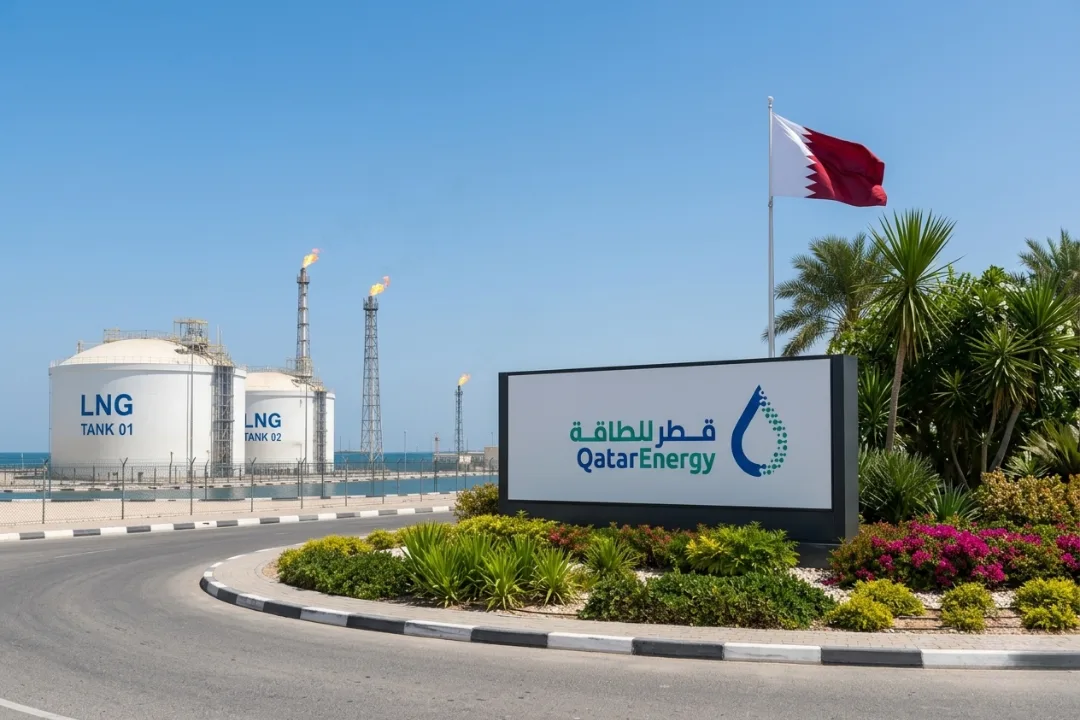


The Middle East and North Africa region is quickly becoming one of the world's most important destinations for clean energy investment. According to a new industry report, MENA Clean Energy Projects announced across the region could attract as much as $642 billion in investment over the coming years.
The report highlights how governments and private companies are accelerating investments in sustainable fuels, green hydrogen, clean ammonia and low carbon industrial production.
This rapid growth is positioning the region as a major player in the global transition to cleaner and more sustainable industries.
Clean Industry Financing Is Growing Rapidly
A new report titled Clean Industry Rising by Mission Possible Partnership, supported by the Industrial Transition Accelerator, shows that financing for clean industry is increasing at a remarkable pace.
Globally, 19 projects worth $43 billion have secured financing during the last six months alone.
In comparison, the pipeline of MENA Clean Energy Projects is even larger, with 84 announced projects that could potentially attract investments worth up to $642 billion.
The report says clean industrial production is moving beyond early development stages and entering a period of significant growth.
Industries such as:
- Sustainable aviation fuel
- Green hydrogen
- Clean ammonia
- Shipping fuels
- Steel production
- Aluminium manufacturing
- Fertiliser production
are all attracting increasing investor interest.
UAE Emerging as a Major Clean Energy Hub
The UAE is playing an important role in the growth of MENA Clean Energy Projects.
The country has launched several major projects in Abu Dhabi and Fujairah focused on producing sustainable aviation fuel, commonly known as SAF.
Industry experts believe sustainable aviation fuel could become one of the UAE's strongest growth sectors because the country is home to two of the world's busiest aviation hubs.
The UAE's strategic location allows clean fuel producers to serve both local airlines and international export markets.
As global airlines seek to reduce carbon emissions, demand for sustainable aviation fuel is expected to rise significantly.
Saudi Arabia Expands Green Hydrogen Ambitions
Saudi Arabia is also making major progress in clean energy development.
One of the region's largest projects is the NEOM Green Hydrogen Project, developed through a partnership between NEOM, Air Products and ACWA Power.
The project is expected to produce around 1.2 million tonnes of clean ammonia each year and has attracted substantial international investment.
The success of this project has strengthened confidence in MENA Clean Energy Projects and highlighted Saudi Arabia's ambitions to become a global leader in green hydrogen and clean fuels.
The Kingdom is investing heavily in renewable energy, industrial transformation and low carbon technologies as part of its long term economic diversification plans.
Egypt and Oman Building Strong Project Pipelines
Egypt and Oman are also becoming major destinations for clean industry investments.
Egypt currently has 25 announced projects with a combined potential investment of around $108.5 billion.
Most of these projects are concentrated around:
- The Suez Canal corridor
- The Gulf of Suez coast
- Damietta
Egypt's location between Europe, Africa and Asia gives it an important advantage for exporting clean products and attracting international investors.
Meanwhile, Oman has one of the largest pipelines of MENA Clean Energy Projects.
The country has announced 19 projects worth approximately $271 billion.
Oman is also ahead in project execution, with a green ammonia plant in Duqm already reaching its final investment decision.
Sustainable Fuels Offer Major Growth Opportunities
The report highlights sustainable fuels as one of the most promising opportunities across the region.
During the last six months:
- Nine methanol plants reached final investment decisions
- Four sustainable aviation fuel projects secured approvals
- Three clean ammonia projects moved forward
This shows increasing confidence among investors and developers.
Many experts believe MENA Clean Energy Projects focused on sustainable fuels will benefit from the region's natural advantages, including:
- Abundant renewable energy resources
- Strong export infrastructure
- Strategic geographic location
- Established energy expertise
- Growing industrial demand
These advantages could help the region become a global supplier of clean fuels.
Clean Industry Offers Greater Economic Stability
Faustine Delasalle, CEO of Mission Possible Partnership and Executive Director of the Industrial Transition Accelerator, said countries that invest in cleaner industries gain stronger control over their economies.
She explained that dependence on fossil fuels has repeatedly exposed countries to price shocks, supply disruptions and economic uncertainty.
By investing in MENA Clean Energy Projects, countries can strengthen their energy security while building more resilient industrial systems.
Clean industries also create new economic opportunities, support job creation and help countries reduce emissions while maintaining long term growth.
Challenges Remain for Future Growth
Despite the strong momentum, the report warns that continued growth is not guaranteed.
The researchers identified three important priorities for accelerating MENA Clean Energy Projects:
- Creating stronger markets for clean products.
- Building trade partnerships between countries with complementary strengths.
- Increasing public and private investment to reduce risks for early stage projects.
Experts believe governments, investors and private companies will need to work together to ensure these projects move from planning to successful commercial operations.
MENA Positioned for a Clean Energy Future
The latest findings show that the Middle East and North Africa region is no longer just an energy producer. It is becoming a global hub for sustainable industries and clean technologies.
With MENA Clean Energy Projects potentially attracting up to $642 billion in investment, the region is entering a new phase of economic growth built around innovation, sustainability and industrial transformation.
As countries continue investing in green hydrogen, sustainable fuels and low carbon industries, the MENA region is expected to play an increasingly important role in shaping the future of global clean energy.