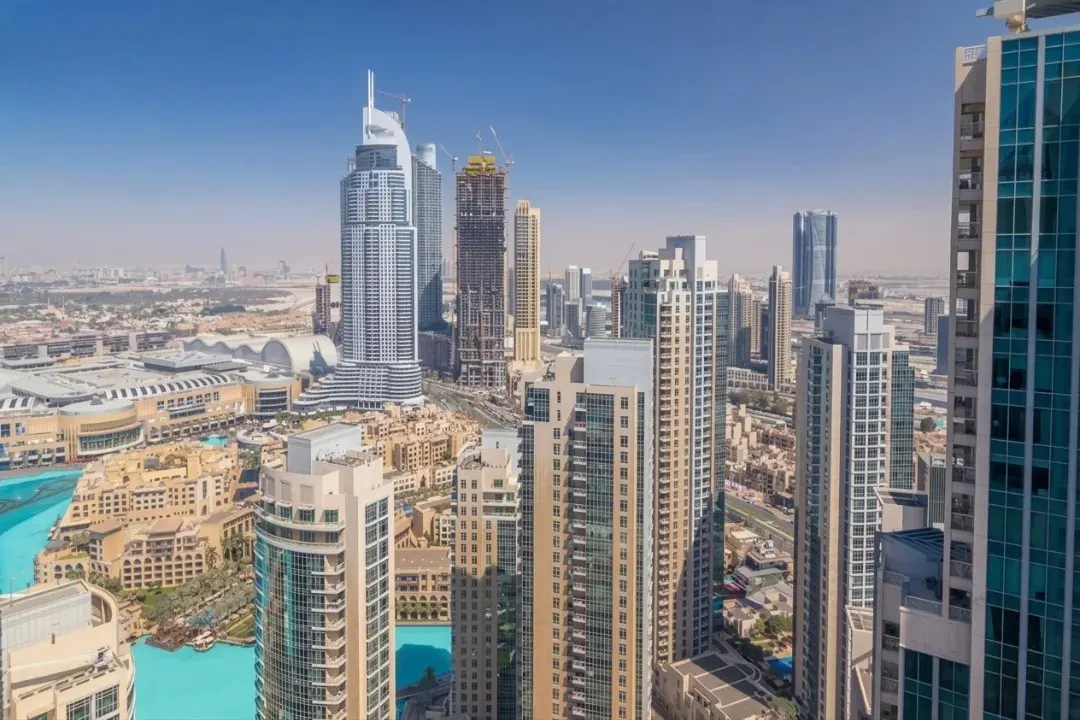

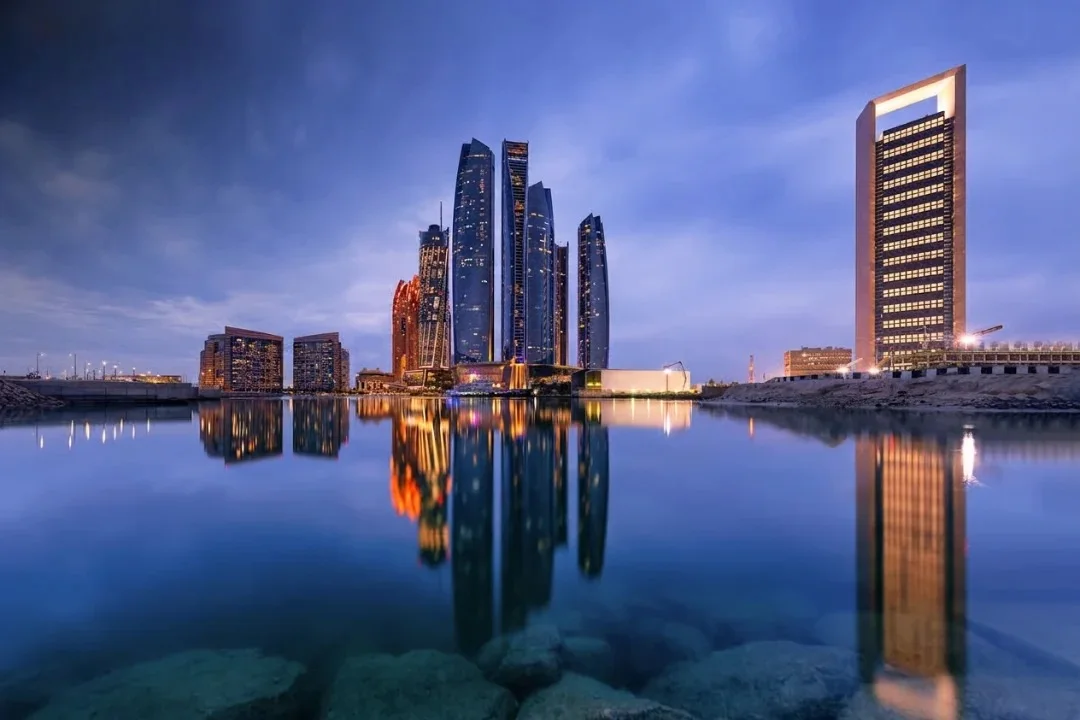
The UAE commercial real estate market maintained strong momentum during the first quarter of 2026, with office rents in both Dubai and Abu Dhabi recording double-digit annual growth as businesses continued to compete for high-quality workspaces.
According to JLL’s latest Real Estate Market Dynamics report, demand for premium offices remained robust despite global economic uncertainties, while limited availability of prime spaces pushed rental rates higher across key business districts.
The report also highlighted the resilience of the UAE’s retail sector, which continued to benefit from strong consumer spending, flexible leasing strategies, and steady economic growth.
Dubai and Abu Dhabi Office Markets Continue to Tighten
Office rents across the UAE have been climbing steadily as multinational corporations, regional businesses, and new market entrants expand their operations.
In Abu Dhabi, prime office rents increased by 11.7 percent compared to the same period last year. Grade A office spaces recorded annual growth of 5.1 percent, while Grade B offices saw rents rise by 4.2 percent.
Dubai witnessed even stronger momentum. Grade B office spaces led the market with an impressive 23.4 percent increase in rental rates year-on-year. Grade A offices posted a 19 percent rise, while prime office rents climbed 17.2 percent.
Market analysts say the shortage of premium office space in Dubai’s central business districts has encouraged many companies to consider well-located Grade B properties, creating additional pressure on rents in that segment.
Office Supply Expands but Demand Remains Strong
While developers continue to add new office projects, demand remains strong enough to keep vacancy rates at historically low levels.
Dubai’s total office inventory reached approximately 101.1 million square feet during the first quarter, while Abu Dhabi’s office stock expanded to around 4.18 million square meters.
Even with additional supply entering the market, occupancy levels remain exceptionally high.
Abu Dhabi recorded one of the lowest vacancy rates in the region, with citywide office vacancies at just 1.4 percent. Prime office spaces were almost fully occupied, with vacancies falling to an extremely low 0.1 percent.
Dubai’s overall vacancy rate edged slightly higher to 7.3 percent due to newly completed projects entering the market. However, prime office vacancies remained tight at only 0.7 percent, highlighting continued demand for top-tier workspaces.
These low vacancy rates continue to strengthen landlords’ bargaining power and support further rental growth.
Lease Renewals Show Businesses Remain Confident
Although new leasing activity slowed somewhat during the quarter, existing businesses showed strong confidence in the market.
Dubai recorded an 11.2 percent increase in office lease renewals compared to the previous year, indicating that companies remain committed to maintaining their presence and expanding within the emirate.
New office rental registrations, however, experienced a modest decline. Dubai saw a 7.7 percent decrease in new office leases, while Abu Dhabi recorded a 6 percent drop.
Industry experts believe this slowdown is temporary and largely reflects businesses taking a more cautious approach to expansion decisions amid evolving global market conditions.
Despite this, the fundamentals of the UAE office market remain solid, supported by economic diversification, foreign investment, and the country’s growing reputation as a regional business hub.
Retail Sector Remains Resilient
The UAE retail market also continued to perform well during the first quarter of 2026.
Dubai’s retail inventory expanded to around 56 million square feet, while vacancy rates tightened further to 4.8 percent due to sustained demand from retailers and consumer brands.
In Abu Dhabi, retail vacancies remained stable at 8.9 percent, reflecting balanced market conditions and consistent occupier demand.
Retail landlords have increasingly adopted flexible leasing strategies to maintain occupancy and support tenants. These include turnover-based rent models, occupancy cost agreements, and temporary rent relief arrangements that allow businesses to adapt more effectively to changing market conditions.
Dubai’s super-regional malls emerged as some of the strongest performers, recording annual rental growth of 12.4 percent. Meanwhile, Abu Dhabi’s leading retail destinations continued to command premium rents thanks to their strong footfall and established market positions.
Positive Outlook for the Rest of 2026
Property experts expect the UAE commercial real estate market to remain on a growth trajectory throughout the rest of the year.
Limited availability of premium office spaces, combined with continued economic expansion, rising foreign direct investment, and a thriving startup ecosystem, is expected to sustain demand for commercial properties.
At the same time, retail developers are increasingly focusing on experiential shopping concepts, wellness-oriented brands, and community-centric destinations as consumer preferences continue to evolve.
These trends are expected to create new opportunities across both office and retail sectors while reinforcing the UAE’s position as one of the region’s most dynamic commercial real estate markets.
Looking Ahead
The first quarter of 2026 has once again highlighted the strength and resilience of the UAE’s commercial property sector.
With office rents rising sharply, vacancy levels remaining tight, and retail destinations continuing to attract strong occupier demand, Dubai and Abu Dhabi are entering a new phase of growth driven by quality, innovation, and long-term economic confidence.
As businesses continue to expand and investors seek stable opportunities, the UAE commercial real estate market appears well-positioned to sustain its positive momentum in the months ahead.